FENS 2026: Barçelona!
Conference season was well on its way! I'd registered for my first, and 'onlyFENS' so far, in Barçelona. (The city and all its charms played no part in my decision, obviously…). The Federation of European Neuroscience Societies (FENS) is the second biggest neuroscience conference in the world.
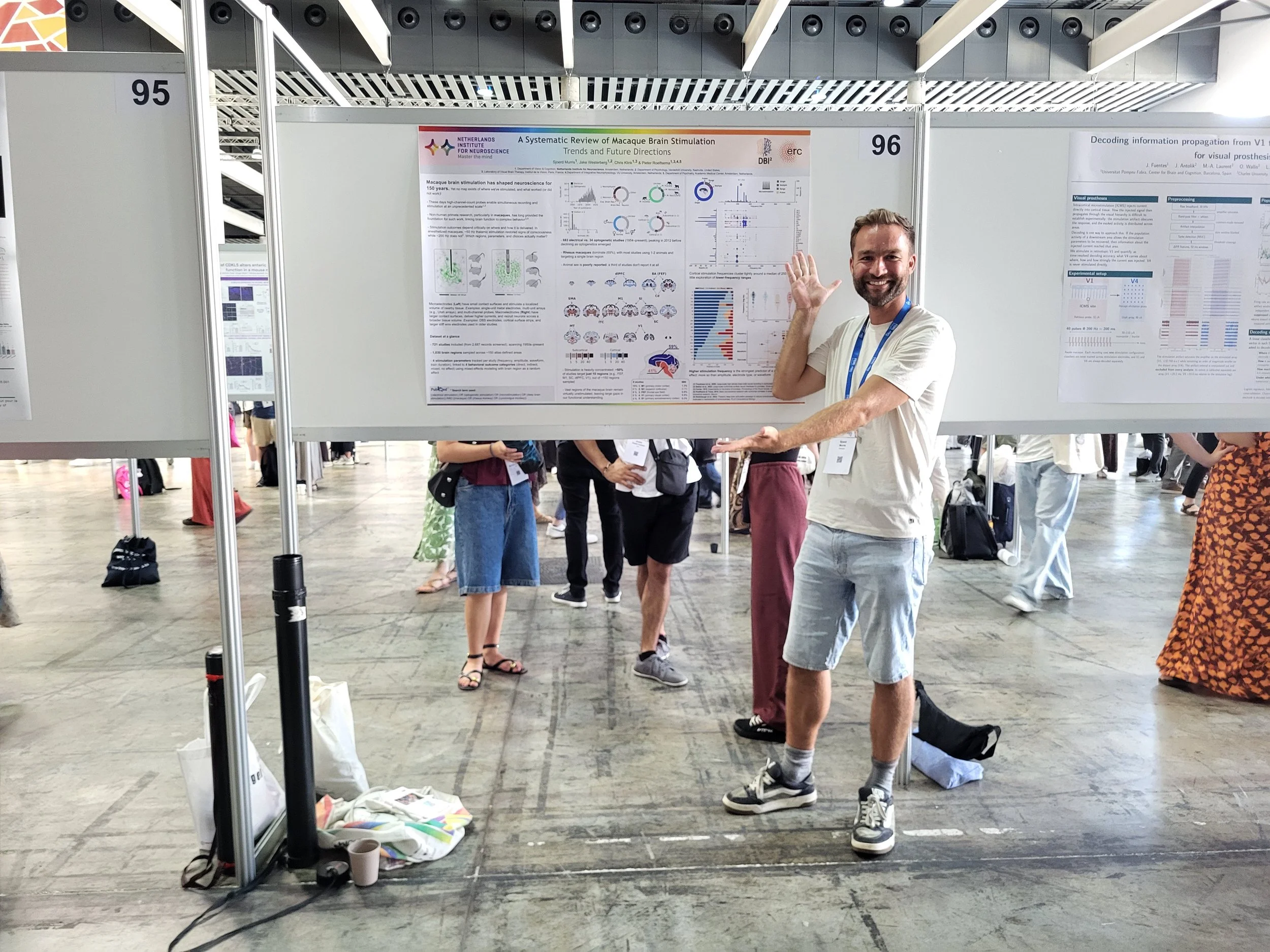
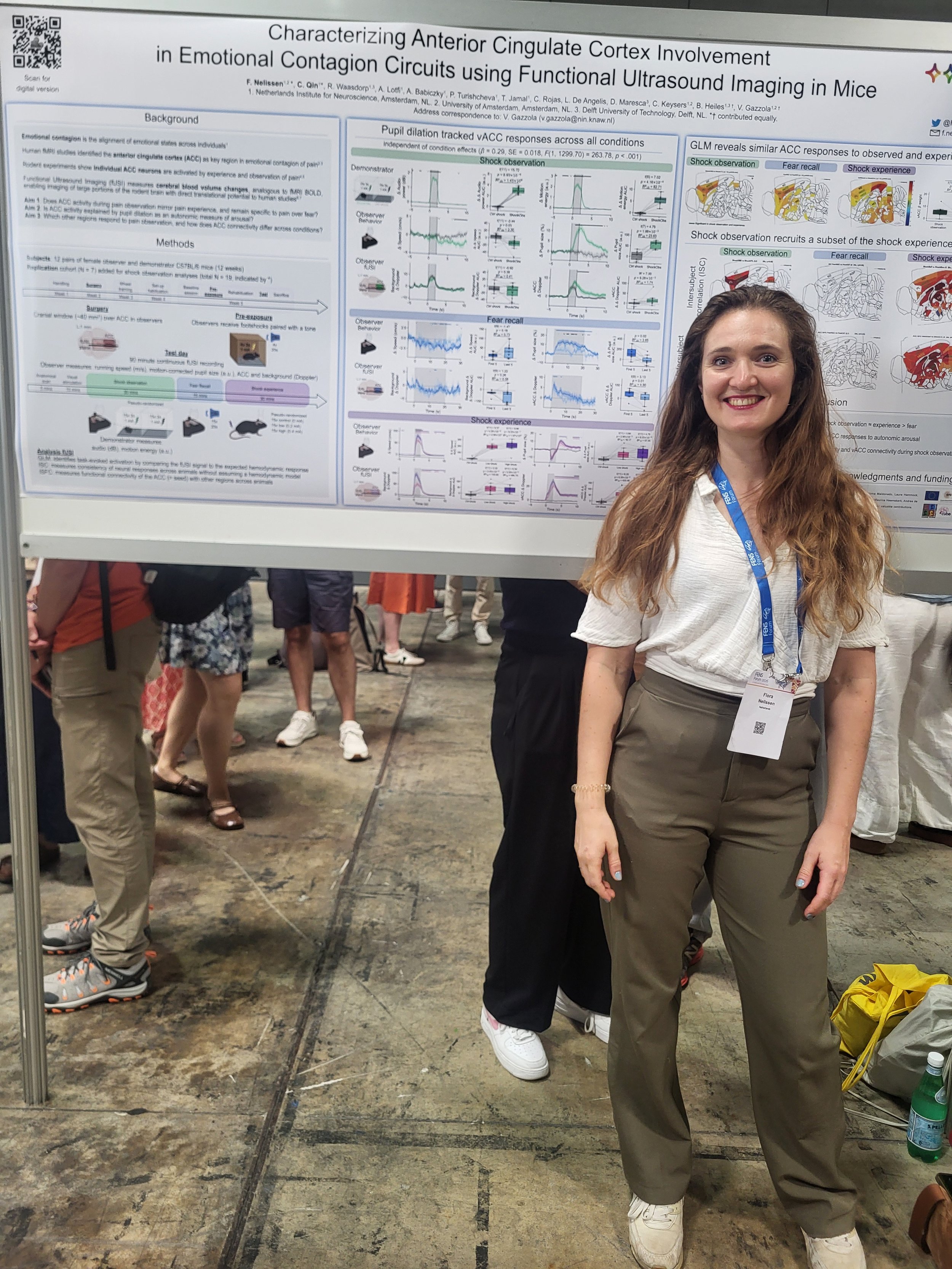
Armed with a poster tube, I made it to the venue each day with fellow Dutchies by rental bike (what else)? Among the hundreds of posters, I presented a systematic review I've been working on, which traces electrical stimulation studies in macaques from their origins in the early 1900s right up to the present day. Standing next to my poster for a couple of hours is oddly one of the best parts of a conference. You get the researcher who squints at your title and walks on, ok… But you also get the person who stops, reads every panel, and asks the one question you hadn't thought of. A few of those conversations sent me back to my notes with new things to check!
The review itself grew out of a simple frustration: if you want to know what's already been tried with electrical stimulation in the macaque brain, there's no single place to look. Findings are scattered across a century of papers, buried in wildly different methods sections, and described in language that has drifted over the decades. So we set out to map the landscape systematically, pulling together which brain regions have been stimulated. But also with what parameters (current, frequency, pulse width, electrode type, and so on), and to what effect. I've just resubmitted the paper and am hoping it'll appear soon in Neuroscience & Biobehavioral Reviews! Please stay tuned.
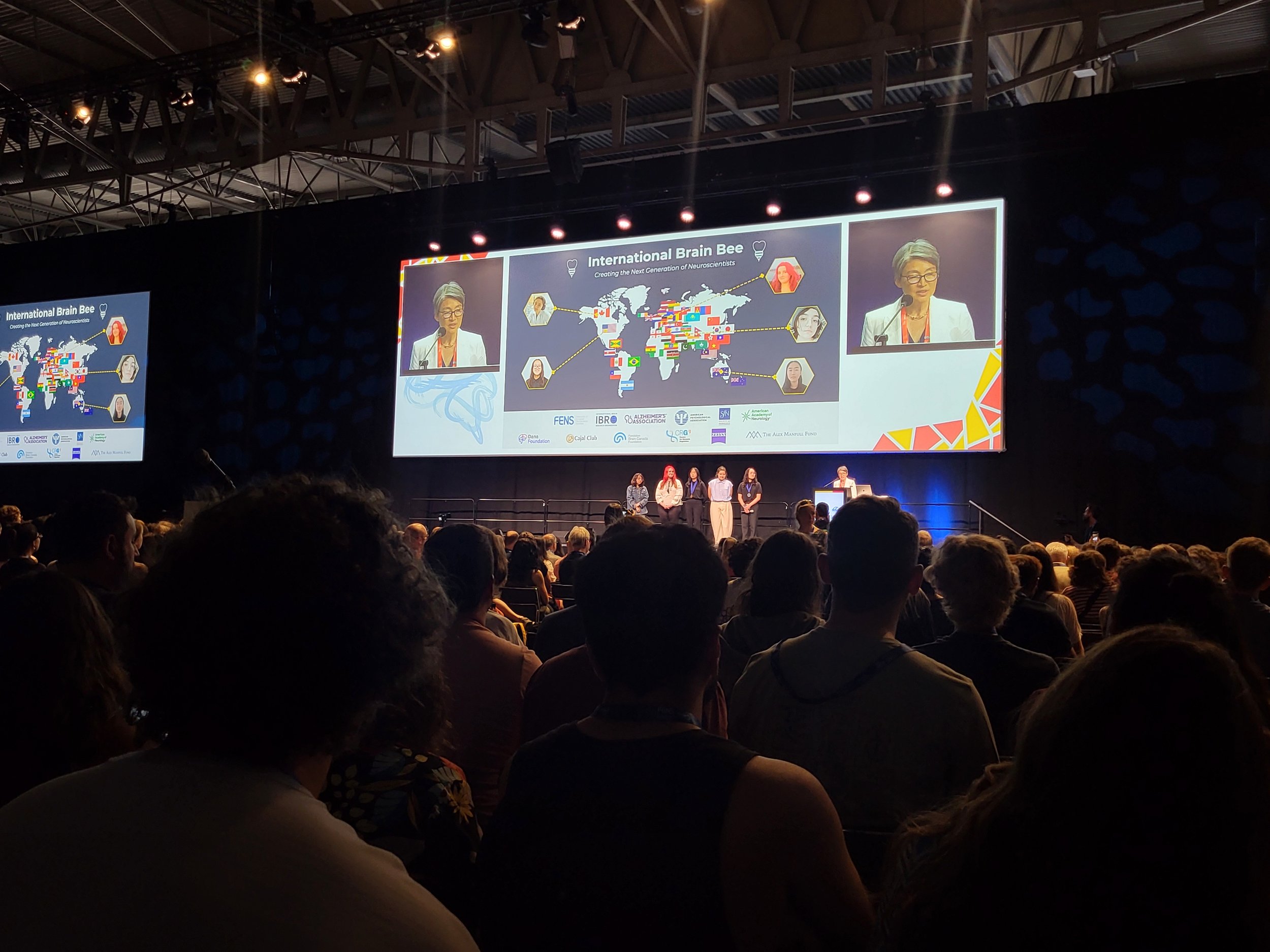
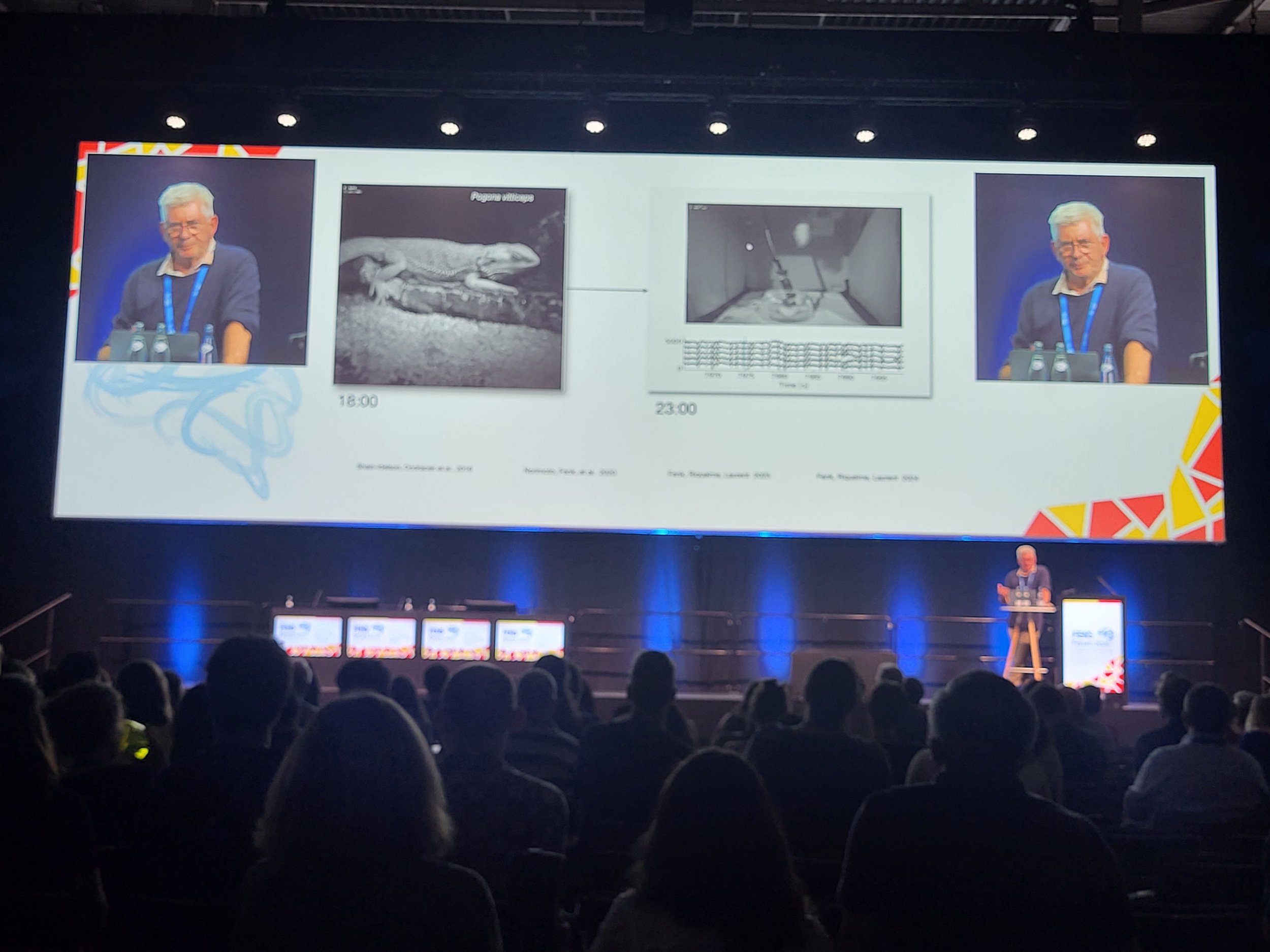
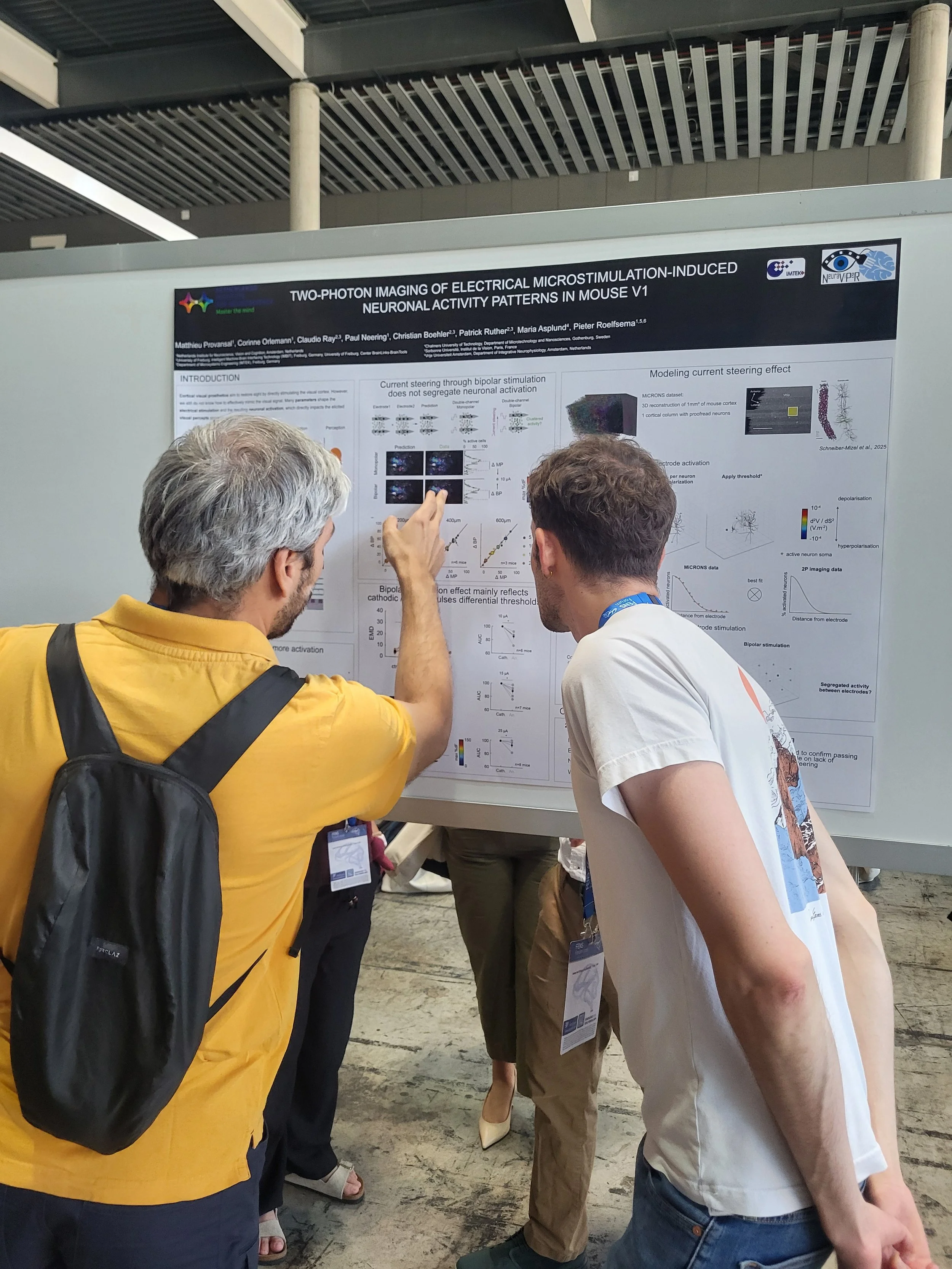
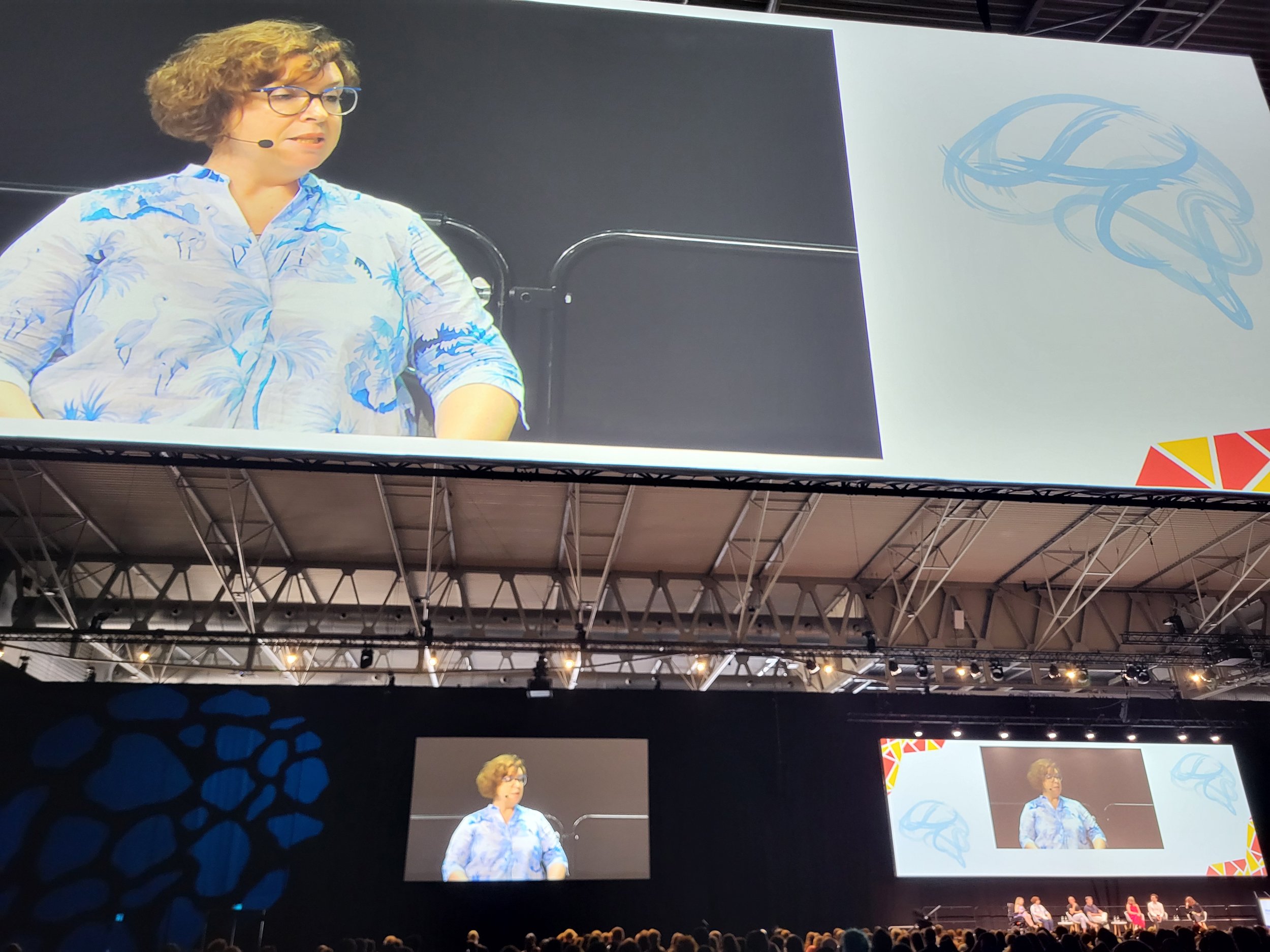
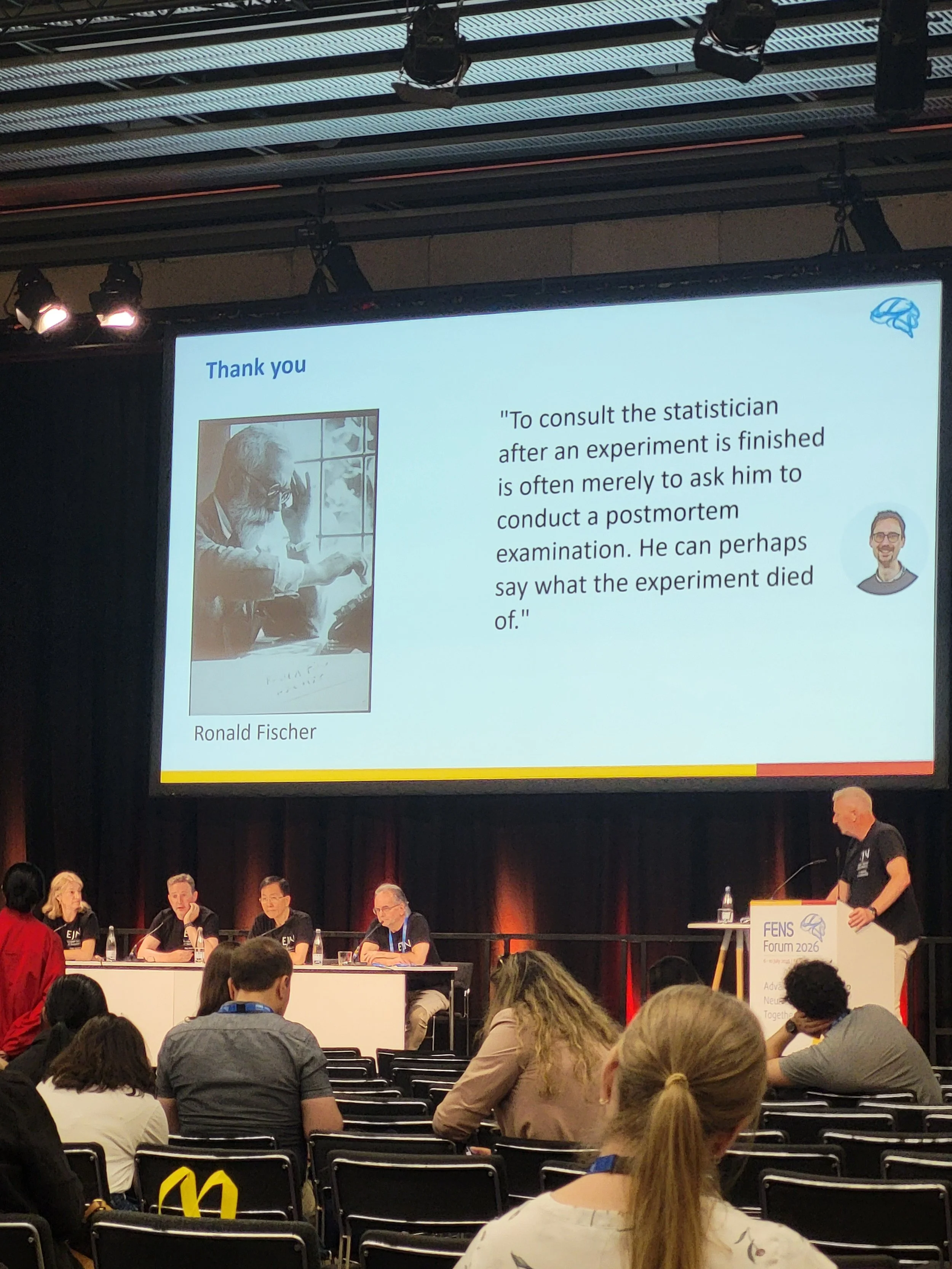
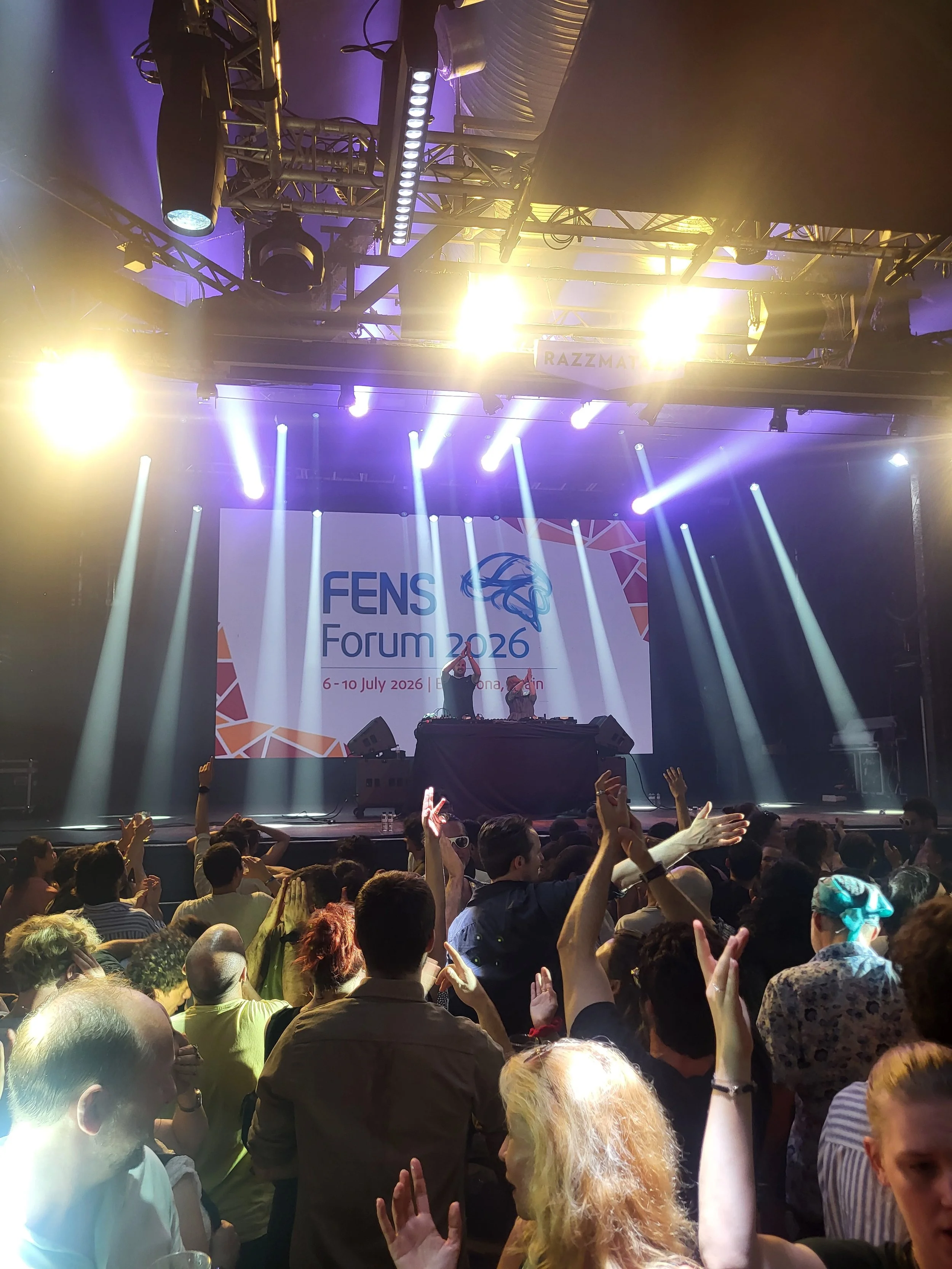
I picked up some useful feedback and had great conversations with colleagues and ex-colleagues in the neuroscience community, including a few from my KU Leuven days whom I hadn't seen in ages. The venue itself was enormous, with airport-like corridors linking the different lecture halls. Highlights included a keynote by Gilles Laurent on his work on vision in cuttlefish and bearded dragons, and a warm round of applause for the international Brain Bee winners (see my other posts about this high-school competition). And then there was the night out at Razzmatazz, where FENS was projected on big screens and DJs coaxed the nerdy neuro crowd into socialising at the biggest nightclub in town.
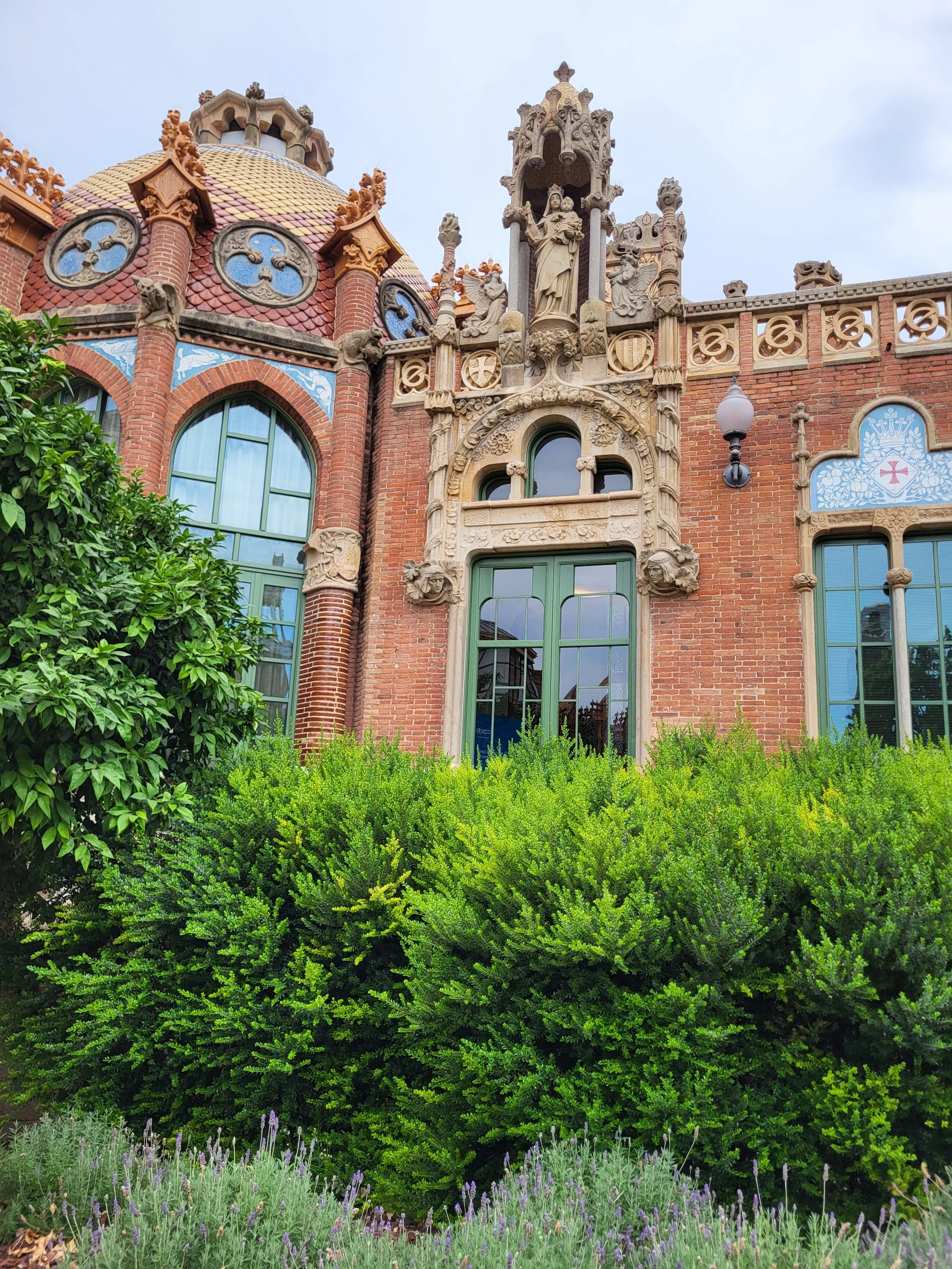
After all the talks and networking, we spent our evenings at the beach, and I ended my stay in fitting fashion: with a visit to the former hospital of Sant Pau, a colourful modernist complex that served as a blueprint for hospitals to come. Wandering through an old surgery room, the underground tunnels, and the open wards, I couldn't help but notice how far medicine (and neuroscience with it) has travelled. A century ago, mapping the brain meant a scalpel and an open ward; this week it meant a hall full of posters, electrodes measured in microns, and a cuttlefish vibing on a keynote screen.
It struck me as a fitting way to close the trip: standing in the place where so much of this began, having just spent a week looking at where it's headed. Same questions about the brain, remarkably different tools. Until the next conference: onlyFENS, indeed.